


4940 Central Ave,
St. Petersburg, FL 33707

The Gulf Coast Tear Drain: Why High Humidity Doesn't Stop Evaporative Dry Eye
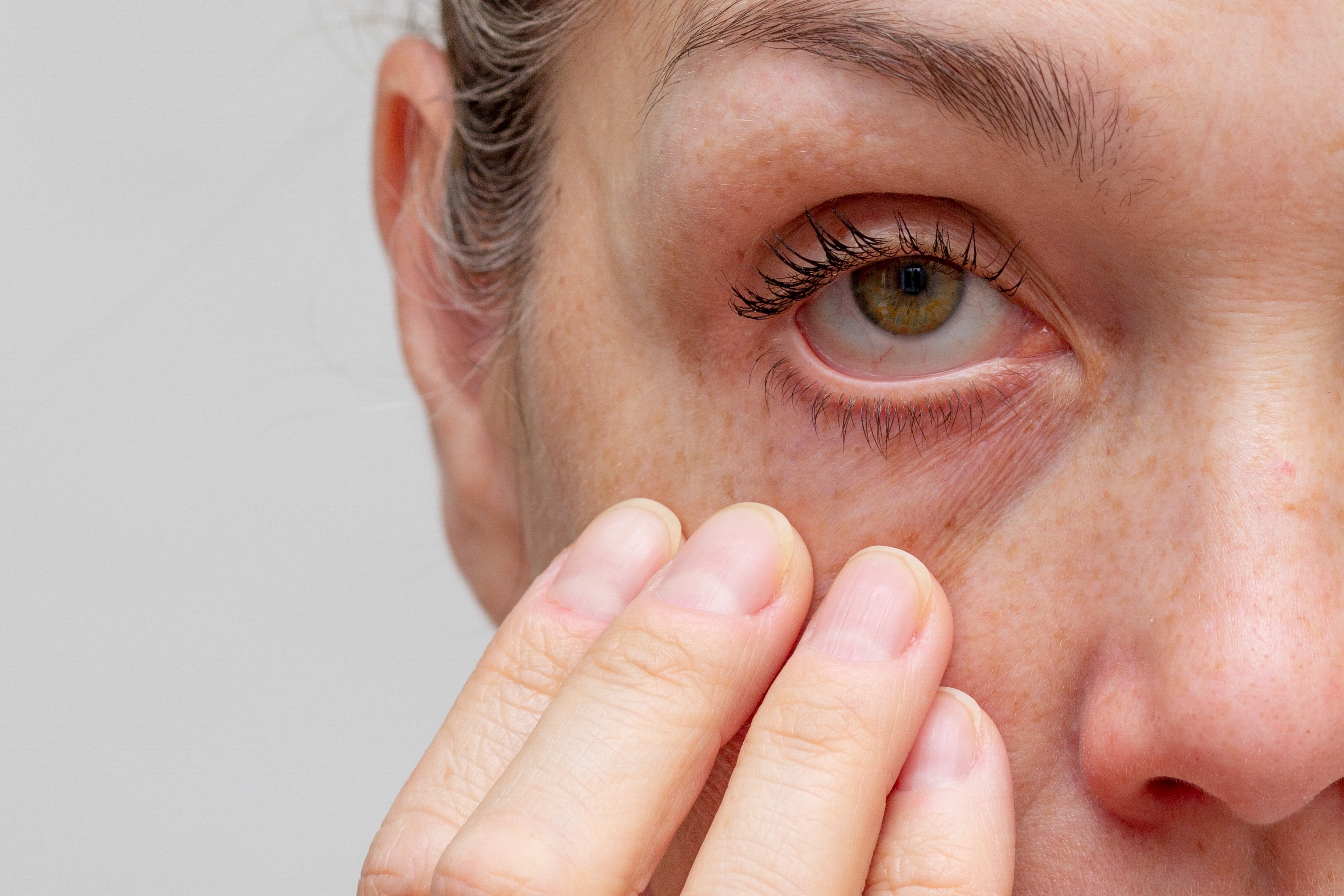
Living near the Gulf Coast means warm air, high humidity, and plenty of moisture outdoors. It may seem like these conditions should protect your eyes from dryness. However, many people in St. Petersburg still experience burning, grittiness, watery eyes, and fluctuating vision. The reason is that evaporative dry eye often begins with the tear film itself, not simply the amount of moisture in the air.
Humidity Is Only One Part of the Problem
A healthy tear film contains water, oil, and mucus. The outer oil layer helps slow evaporation and keeps tears spread evenly across the eye. When the oil glands along the eyelids do not work properly, tears can break apart too quickly — even on a humid Florida day.
This is commonly linked to meibomian gland dysfunction, or MGD. Blocked or unhealthy glands may release oil that is too thick, insufficient, or poor in quality. Without a stable oil layer, the watery portion of the tears evaporates faster and leaves the eye surface exposed.
Why St. Petersburg Conditions Can Still Trigger Symptoms
The Gulf Coast climate does not create a constant protective shield around the eyes. Daily routines can expose them to moving air, heat, sunlight, and indoor cooling. Common dry eye triggers in St. Petersburg include:
- Air conditioning in homes, offices, stores, and vehicles
- Ceiling fans and car vents blowing directly toward the face
- Wind from boating, biking, walking, or outdoor recreation
- Long periods of screen use that reduce natural blinking
- Contact lens wear, allergies, eyelid inflammation, and certain medications
Humidity may slow some surface evaporation, but it cannot correct blocked oil glands, eyelid inflammation, or an unstable tear film. People also move between humid outdoor air and heavily air-conditioned indoor spaces throughout the day, creating repeated changes that can make symptoms more noticeable.
Why Dry Eyes Sometimes Water Excessively
Watery eyes can seem like the opposite of dry eye, but they are a common symptom of dry eye. When the eye surface becomes irritated, the body may produce a rush of reflex tears. These tears are often watery and lack enough protective oil, so they spill over the eyelids without providing lasting lubrication.
This cycle can lead to blurred vision, stinging, light sensitivity, and the feeling that something is stuck in the eye. Artificial tears may provide temporary comfort, but frequent or recurring symptoms deserve a closer evaluation.
Finding the Source of Evaporative Dry Eye
A dry eye evaluation looks beyond the weather. Your eye doctor may assess the tear film, eyelid margins, oil glands, eye surface, and signs of inflammation. Your contact lens habits, medications, allergies, screen use, and medical history can also help identify contributing factors.
At Eyes on Central, treatment is based on the underlying cause. Options may include BlephEx eyelid cleaning, MiBo Thermoflo heat therapy, OptiVize Low-Level Light Therapy, prescription eye drops, artificial tears, eyelid hygiene, or contact lens adjustments. The goal is to improve tear quality and support healthier eyelid function rather than relying only on short-term symptom relief.
Schedule a dry eye evaluation with Eyes on Central in St. Petersburg, FL, by calling (727) 321-6600, and take the first step toward steadier, more comfortable vision.


Operating hours
- Monday - Friday: 9:00am - 5:00pm
- Saturday - Sunday: Closed
Powered by
